

Happy Asian American and Pacific Islander Heritage Month! This May, we’re putting the spotlight on the past and present of Asian resistance. At a time of heightened racism and xenophobia in the U.S., it’s easy to feel scared and like change is not possible. But here’s the good news: Activists in the U.S. and around the world faced these challenges before — and overcame them.
From the steps of the U.S. Supreme Court to the halls of the United Nations, activists have used collective action to win the rights and freedoms we have today. We put together this list of books written by Asian authors to honor our history and inspire the next generation of activists to carry on the fight for equality and justice for all.
Banned Book Club by Kim Hyun Sook, Ryan Estrada, and Ko Hyung-Ju

What to expect: A thrilling graphic novel about student activists who rebelled against political censorship under South Korea’s Fifth Republic.
Why it inspires us: As book bans continue to impact young readers nationwide, Banned Book Club reinforces how literature is a tool for resistance, helping activists both past and present to open up their minds to new ideas and challenge the status quo.
Favorite quote: “Funny how if you were reading [a] dystopian sci-fi novel with a minor subplot about fascists ruling Korea, you’d be taken to jail. So you gotta wonder. Do they ban books because they see danger in their authors, or because they see themselves in their villains?”
How to Stand Up to A Dictator: The Fight For Our Future by Maria Ressa

What to expect: A cautionary tale about authoritarianism and disinformation, told through the real-life experiences of Filipino journalist Maria Ressa – who won a Nobel Peace Prize for her candid coverage of former President Rodrigo Duterte’s violent, anti-drug campaign.
Why it inspires us: Maria Ressa trains readers to recognize the warning signs of authoritarianism in their own governments. This is more than just a political memoir; it’s a call to action for readers to stand up for their freedoms before it’s too late.
Favorite quote: “A good journalist doesn’t look for balance — as when, say, a world leader commits a war crime or outright lies to his or her citizenry — because that would create a false equivalence. When a journalist confronts the powerful, it is easier and safer to write it in a ‘balanced’ way. But that’s a coward’s way out. A good journalist, for example, would not give equal time and space to known climate deniers and climate change scientists.”
The Making of Asian America: A History by Erika Lee
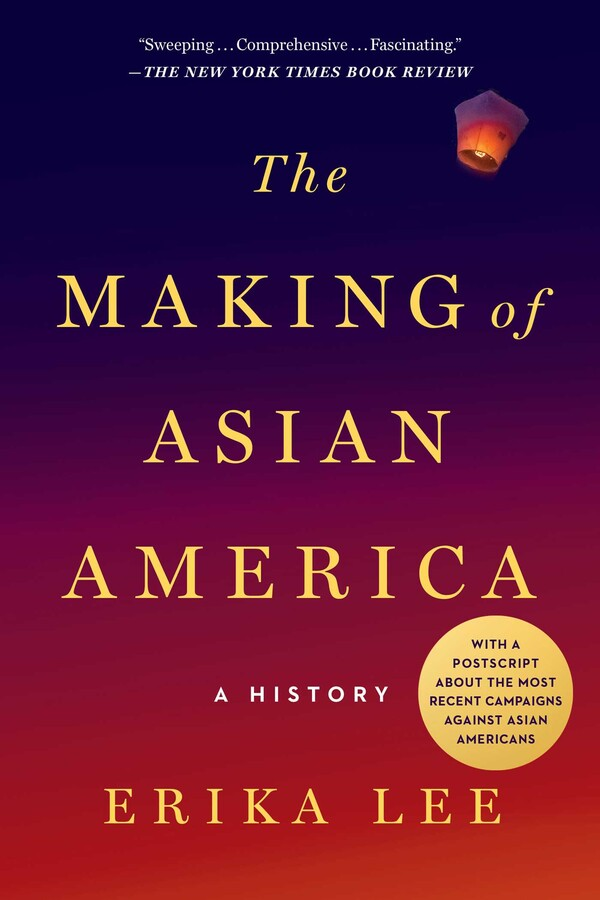
What to expect: A historical overview tracing the roots of Asian America — from Filipino sailors who first landed in the U.S. in the 1500s to the growing communities of Hmong Americans shaping our country today.
Why it inspires us: Far too often, stories of Asian resistance are omitted from our textbooks. This book fills in the gaps by highlighting Asian activism during major moments in history, like the Chinese Exclusion Act and the World War II incarceration of Japanese Americans.
Favorite quote: “[Asian Americans] are transnational because it allows them to achieve something that is quintessentially American: to improve their lives and socioeconomic status for themselves and their families whether that may be solely within the United States, or often, in the United States and somewhere else at the same time. These transnational immigrants are helping us all become global Americans.”
I am Malala by Malala Yousafzai
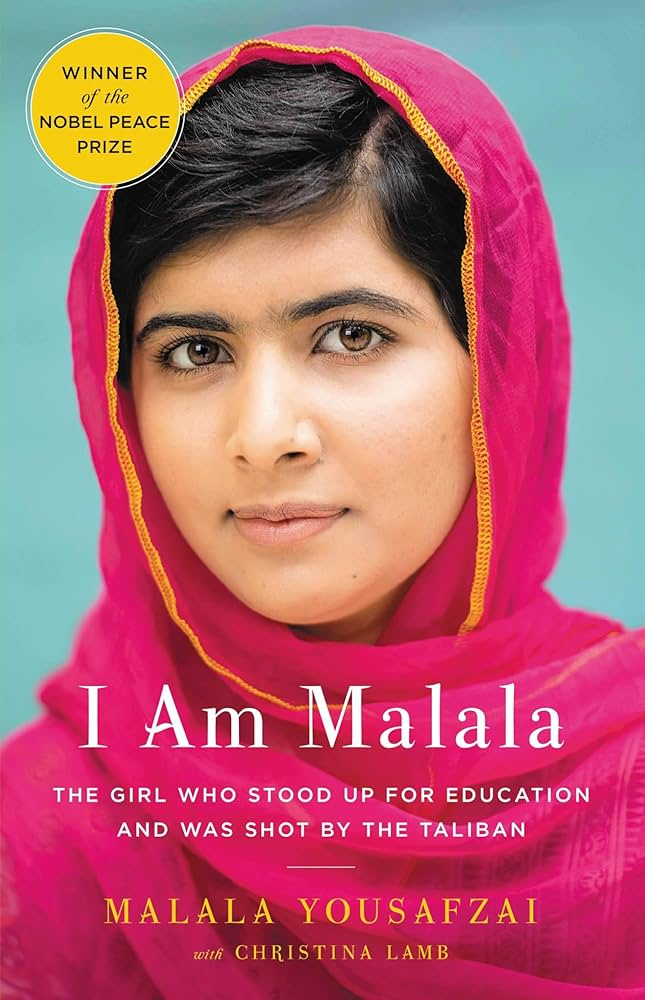
What to expect: An emotional memoir from human rights activist Malala Yousafzai about her childhood under changing political regimes in Pakistan, and how a near-death experience inspired her to lead a global movement for education equity.
Why it inspires us: Malala’s story is a powerful reminder that change doesn’t happen overnight or because of one person. This book brings to life the vibrant community that shaped Malala into the activist she is today. And while her story made national headlines, Malala also represents countless young girls in Pakistan and other countries who are still fighting for the opportunity to get an education.
Favorite quote: “[My father] believed that lack of education was the root of all of Pakistan’s problems. Ignorance allowed politicians to fool people and bad administrators to be re-elected.”

AAPI Heritage Month Reading List | Must-Read Books on Resistance and Social Justice