

Trump’s executive order targeting birthright citizenship has created a lot of confusion and fear. While it claims to only affect babies born after February 19, 2025, its impact is already being felt in immigrant communities. Schools are introducing new policies targeting immigrant families, and the order could make it harder for certain babies to get passports and Social Security Cards.
We’re answering some of the most common questions many people have on what the order does, who it affects, and what can be done to stop it.
Stop AAPI Hate is not a legal services organization and nothing in this document should be construed as legal advice. The information contained here is provided for informational purposes only. For specific questions on how this executive order could apply to you, please consult a lawyer. To find immigration legal resources near you, click here.
WHAT IS HAPPENING WITH BIRTHRIGHT CITIZENSHIP RIGHT NOW?
TLDR: As of December 16, 2025, Trump’s executive order on birthright citizenship executive order is not in effect.
Here’s what else you need to know:
The Supreme Court will hear oral arguments on the merits of birthright citizenship in spring 2026, and will issue a decision by early summer.
Earlier this year, the Supreme Court ruled in another birthright citizenship case, but only on the procedural question of whether nationwide injunctions were legally permissible. It did not rule on the legality of birthright citizenship itself. Following that decision, lower courts continued to consider the merits of birthright citizenship and blocked Trump’s order from going into effect.
WHEN WILL THE SUPREME COURT WEIGH IN?
In late June 2025, the Supreme Court limited the use of nationwide injunctions in the context of President Trump’s birthright citizenship executive order. But, make no mistake: the court did not rule on the merits of birthright citizenship itself.
So, when can we expect a ruling on the merits? It’s hard to say for sure — but the next session doesn’t start until October 2025.
WHAT DOES TRUMP’S EXECUTIVE ORDER ON BIRTHRIGHT CITIZENSHIP MEAN?
Trump’s executive order is a direct attack on a core American principle: if you’re born in the U.S., you’re a citizen. The 14th Amendment of the Constitution guarantees this right regardless of a parent’s immigration status.
This order tries to change that by blocking federal agencies from issuing citizenship documents to certain babies born in the U.S. after February 19, 2025. It also stops federal agencies from recognizing state-issued documents that confirm citizenship for those babies.
This is a major move to undermine birthright citizenship and could create huge legal and bureaucratic chaos for families.
WHO DOES HIS EXECUTIVE ORDER AFFECT?
The Trump administration’s Executive Order has sparked a lot of confusion about who it actually applies to. And that confusion isn’t accidental—it fuels fear and uncertainty in immigrant communities by making it unclear who’s at risk. But if we break down the wording of the order, we can get a better idea of who could be impacted if it holds up in court.
According to the order, U.S. citizenship could be denied in two key situations:
1. If the baby is born to a mother who is “unlawfully present” and a father who is neither a green card holder nor a U.S. citizen.
- A mother who is “unlawfully present” is someone who is undocumented or doesn’t have permission to be in the U.S. This includes people who crossed the border without authorization or overstayed a visa. It could also include people who have Deferred Action for Childhood Arrivals (DACA).
- A father who isn’t a green card holder or U.S. citizen could be undocumented, but it could also be a person with some other lawful status like a work or student visa.
2. If the baby is born to a mother with “lawful but temporary” status and a father who is neither a green card holder nor a U.S. citizen.
- The order specifically calls out mothers on student, work, or tourist visas, as well as those who enter through the Visa Waiver Program.
- But the wording is vague, meaning other types of temporary immigration statuses could also be affected.
Bottom line: This order is complex and could impact millions, making the future even more uncertain for many immigrant families.
For more on the types of visa holders that could be considered “lawful but temporary,” see this analysis from the Fragomen law firm.
WILL THIS AFFECT KIDS OR ADULTS WHO ALREADY HAVE CITIZENSHIP?
Technically, no—Trump’s executive order says it only applies to babies born in the U.S. after February 19, 2025, and that it won’t impact “the entitlement of other individuals,” implying that people who already have citizenship will not be affected.
But in reality, we’re already seeing the ripple effects. Just days after the order was issued, some schools started rolling out new policies requiring kids to register their immigration status while some teachers have called on ICE to target students. The result? A chilling effect—some teachers reported that half their students stopped showing up because families were scared of what might happen at schools.
HOW WILL THE ADMINISTRATION ENFORCE THIS EXECUTIVE ORDER?
The order tells federal agencies to stop issuing citizenship documents to certain babies. That means millions of kids born in the U.S. could be denied Social Security cards and passports—making it nearly impossible for them to access essential services like healthcare and food programs.
It could also create a massive bureaucratic nightmare. Right now, parents get a birth certificate from the state when their baby is born. Under this order, the federal government would have to track every single baby born in the U.S.—something that experts warn could lead to a costly new system, a so-called “birth tax” that would hit low-income families and people of color the hardest.
WHAT CAN BE DONE TO STOP ATTACKS ON BIRTHRIGHT CITIZENSHIP?
No president can unilaterally decide who gets to be a citizen of the United States. The only way to change this is by amending the U.S. Constitution. Only if two-thirds of Congress and three-fourths of state legislatures approve a constitutional amendment can t this change.
Multiple federal courts have found Trump’s executive order to be unconstitutional. However, it could take partial effect until the Supreme Court weighs in. If it does, there is more we can do.
Congress has introduced legislation to keep Trump from using federal funds to carry out his executive order — and we can help them pass it. Send a message to your member of Congress, asking them to step up and stop the attack on our citizenship rights.
WHERE CAN I FIND ANSWERS TO MORE SPECIFIC QUESTIONS?
You can find immigration legal services providers who can answer more questions at the National Immigration Legal Services Directory. Nonprofit organizations that provide free or low-cost immigration legal services are searchable by state and county.
To learn more about Trump’s Executive Order and the history of birthright citizenship, check out:
- ➡️ The ACLU’s Trump’s Executive Order on Birthright Citizenship, Explained
- ➡️ The American Immigration Council’s Birthright Citizenship Fact Sheet
- ➡️ The Center for American Progress’ Turning Our Backs on the 14th Amendment
Learn More
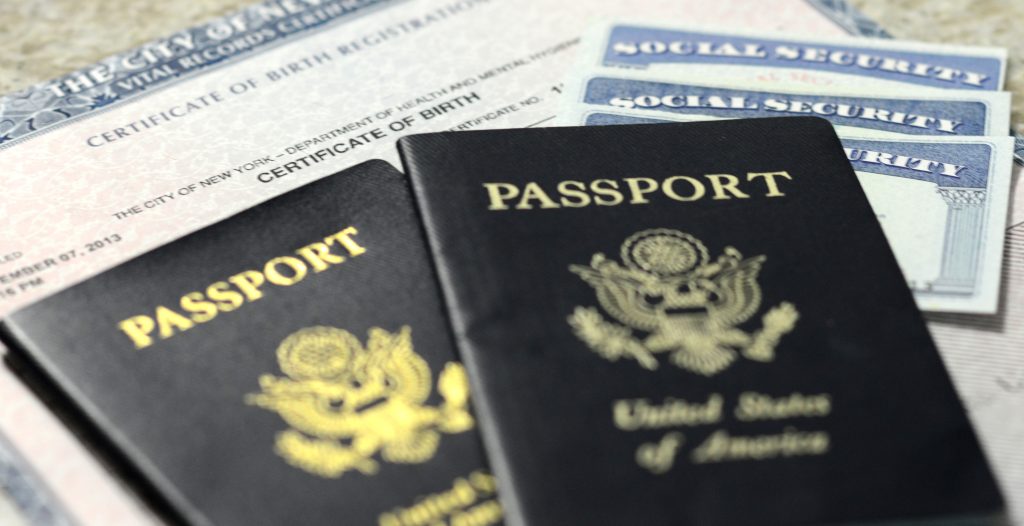
Birthright Citizenship 101
Learn about the origins of birthright citizenship and how it has benefitted generations of Asian Americans and immigrant communities.
Many Roots One Home
Anti-immigrant hate is anti-AAPI hate. Join the generations-long fight to defend immigrant communities.

FAQ About Trump’s Executive Order on Birthright Citizenship